

One topic at a time
Giulia Troncatti
In one minute, Giulia Troncatti explains how prison works and where reality drifts away from the law.
Who is Giulia TroncattiAlternative measures
The video illustrates a three-level crime prevention model, inspired by public health, which acts on environment, risk and recidivism.
But is it possible to do prevention when talking about crimes? When talking about security, usually one talks about punishments, but criminology has for some time also reasoned in another way.
In 1976 two criminologists proposed a model inspired by what had been developed in the field of public health, where a distinction is made between preventing a disease, identifying it early and treating it so that it does not get worse.
Applied to crime, it becomes a three-level model. The first level is primary prevention. It acts on the conditions of the physical and social environment that favour crime and is aimed at everyone before anything happens. In practice, it means a school that manages not to lose the children, well-lit and well-kept squares, services open in neighbourhoods, courses on emotional education in schools. These are interventions that do not seem to concern security, but are its foundation.
The second level is secondary prevention. It intervenes early in the lives of people or groups who are in at-risk situations. Examples are street educational centres that meet young people where they spend their days, the support of social services for families in difficulty, services for young people who are starting to use substances. Here attention is needed because identifying those at risk also means labelling them.
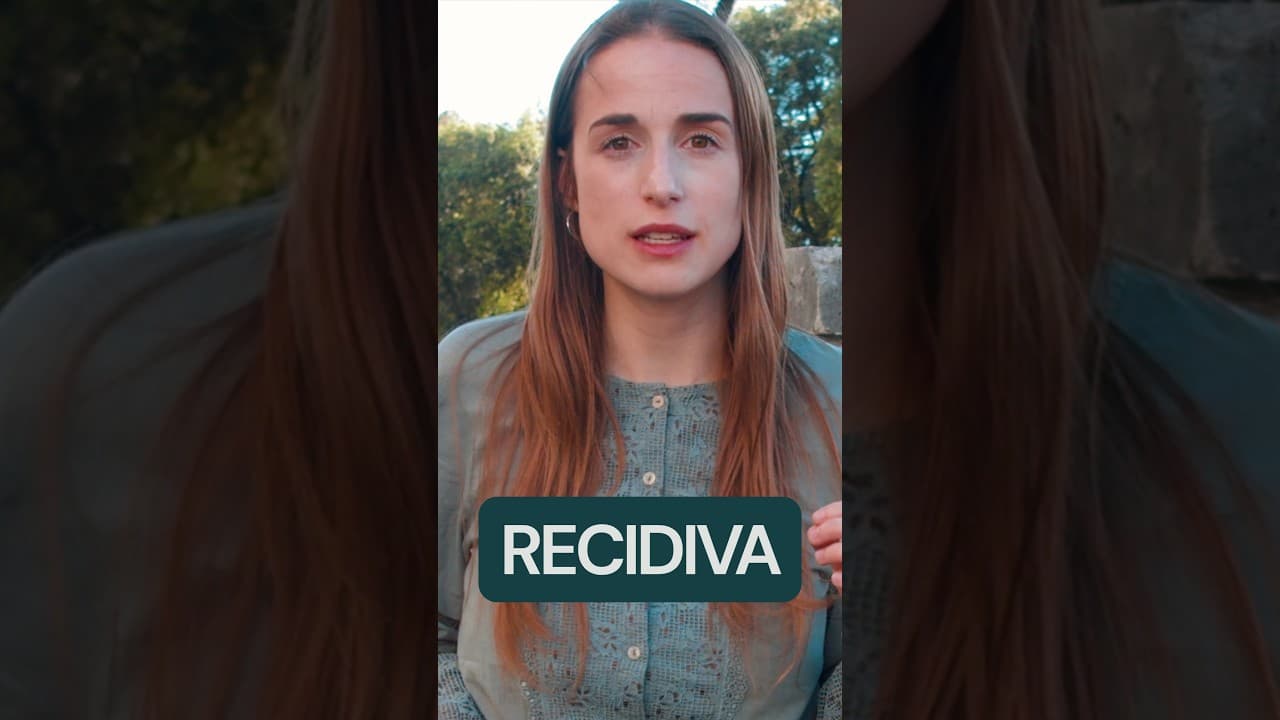
The third level is tertiary prevention, it serves to avoid recidivism, that is, it is aimed at those who have already committed a crime. Here prison comes in, but also study and work during the sentence, alternative measures, support at the time of release, restorative justice.
The third level is also the one most talked about, but it always comes afterwards, when the damage has already been done and there is already a victim.
Every young person who stays in school, every family supported in time, every young person intercepted by an educator is a person who will never reach the third level.
And in your opinion, is there a level more important than the others? Let us know in the comments.
One topic at a time
Giulia Troncatti