
One topic at a time
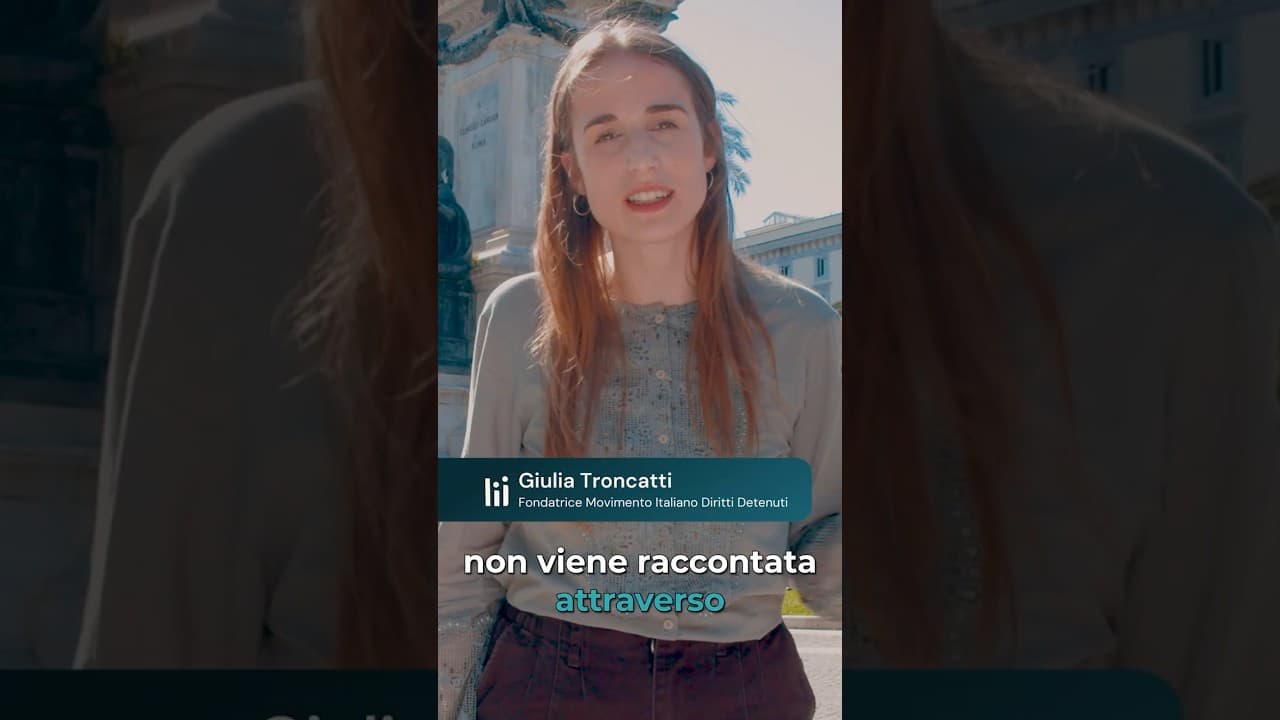
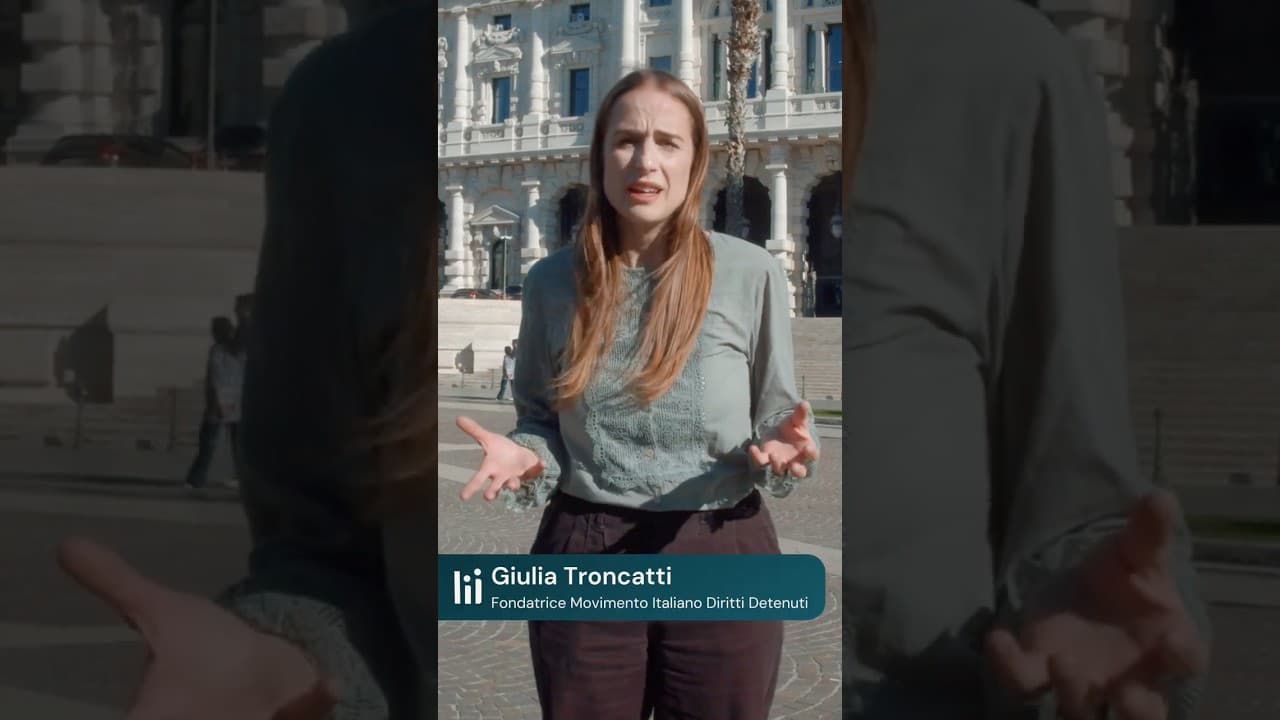
Giulia Troncatti
In one minute, Giulia Troncatti explains how prison works and where reality drifts away from the law.
Who is Giulia TroncattiAffective bonds
In Italian prisons, correspondence still takes place via paper letters, which are fundamental for maintaining emotional ties.
But who writes letters in 2026? People in prison.
If contemporary society, from the point of view of social media messaging, moves fast, so that today we have an exchange that is immediate when we want to hear from someone, prisons remain confined to the last century because inside penal institutions there is neither access to the internet, except in a residual manner, nor is there the possibility of having a personal telephone.
People in prison still write letters with paper and pen, so they take the sheet, write the letter and send it and then wait weeks or even months for a reply.
The correspondence of people in prison cannot be read by the prison administration except for security reasons. In this case it is a court that can establish a control visa for a maximum duration of 6 months. This does not apply, however, to the regime of 41 bis, that is the maximum security regime in which correspondence is regularly read.
What is instead allowed by practice is to open the letters to check that inside the envelope there are no materials or objects being exchanged.
Letters in prison are very important because they help people in prison to maintain emotional ties with the outside. You will understand how important this can be, especially if you think of the strong limitations there are on visits and which we have already talked about.
Even though they are therefore very important, letters are however a somewhat weak tool for maintaining relationships, both because postal times are long, and because they have a significant cost. It starts from a minimum of about €1.25 per letter and upwards.
In this sense, as Movimento Italiano Diritti e Detenuti, we are trying to bring concrete help from the point of view of correspondence through an email service, to the Zero Mail service which we will talk to you about in the next reel.
And you, have you ever written a letter addressed to a person in prison or have you ever received one? Let us know in the comments.
One topic at a time
Giulia Troncatti