
One topic at a time
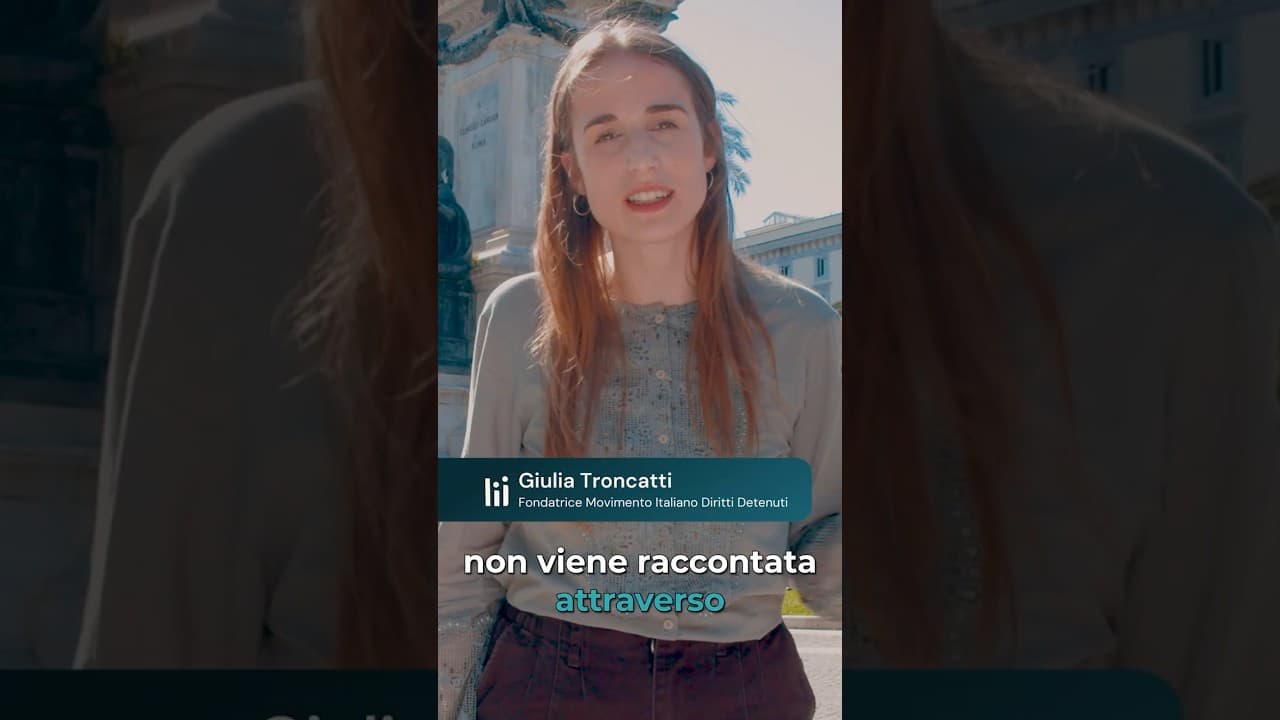
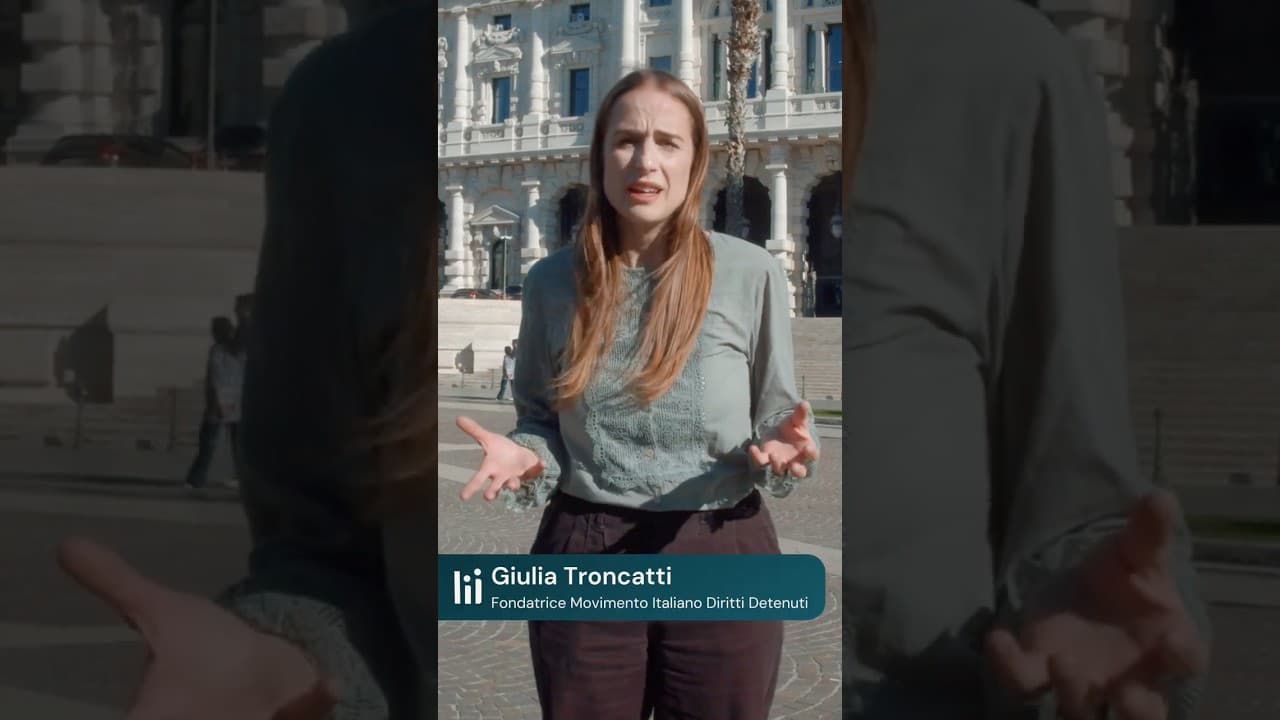
Giulia Troncatti
In one minute, Giulia Troncatti explains how prison works and where reality drifts away from the law.
Who is Giulia TroncattiAlternative measures
Alternative measures to detention favour social reintegration and involve over 100,000 people in Italy, more than the prisoners.
Have you ever heard of alternative measures? And no, they are not sentence reductions, but they are a way to serve the sentence different from detention in prison.
Access to alternative measures is established by the Surveillance Court and the alternative measures can be of four types: probation, when a person serves the sentence within the territory and is assigned to the UEPE, that is, the office of external penal execution; semi-liberty, which provides the possibility for a person to serve the sentence partly inside the penal institution and partly outside. The person is allowed to leave the penal institution to work or to study.
Home detention which provides for serving the sentence at one's own home or at another suitable facility and therapeutic probation, that is, a programme for those who are in a particular condition of dependency.
Alternative measures obviously provide for a series of limitations from the point of view of the places that can be attended, the people who can be met, the times for returning, the routes to be taken, the general conduct to be maintained. There is a package of limitations and rules that regulates the execution of the sentence in the territory.
Why do alternative measures exist? They exist to favour the social reintegration of detained persons. The sense is to favour a more gradual and easier reintegration into society.
The thing that might surprise you is that today the people under alternative measures are about 100,000 in Italy, therefore even more than the people detained.
The discussion made so far makes us understand how important it is for a person who can access alternative measures to have a good territorial support network.
Precisely in relation to this we want to leave you with a reflection that we will explore in one of the next deil. What happens if a person finds themselves without a home or a territorial support network?
One topic at a time
Giulia Troncatti