



One topic at a time
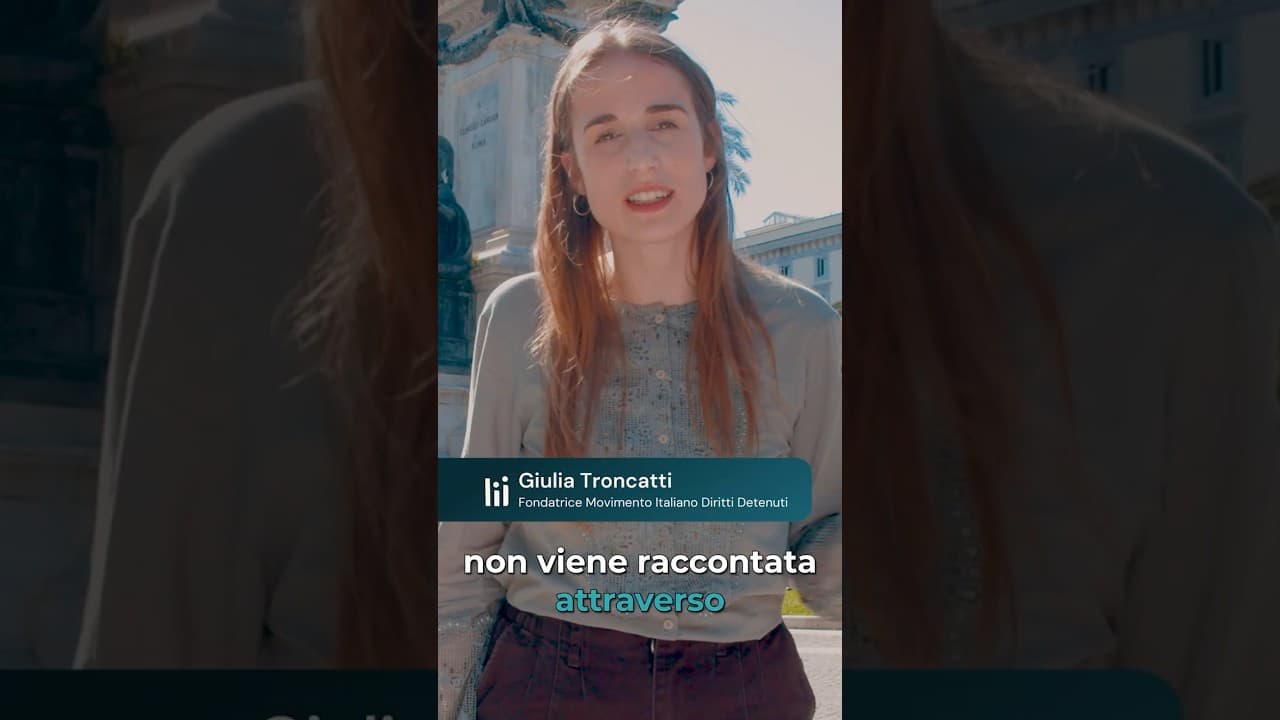
Giulia Troncatti
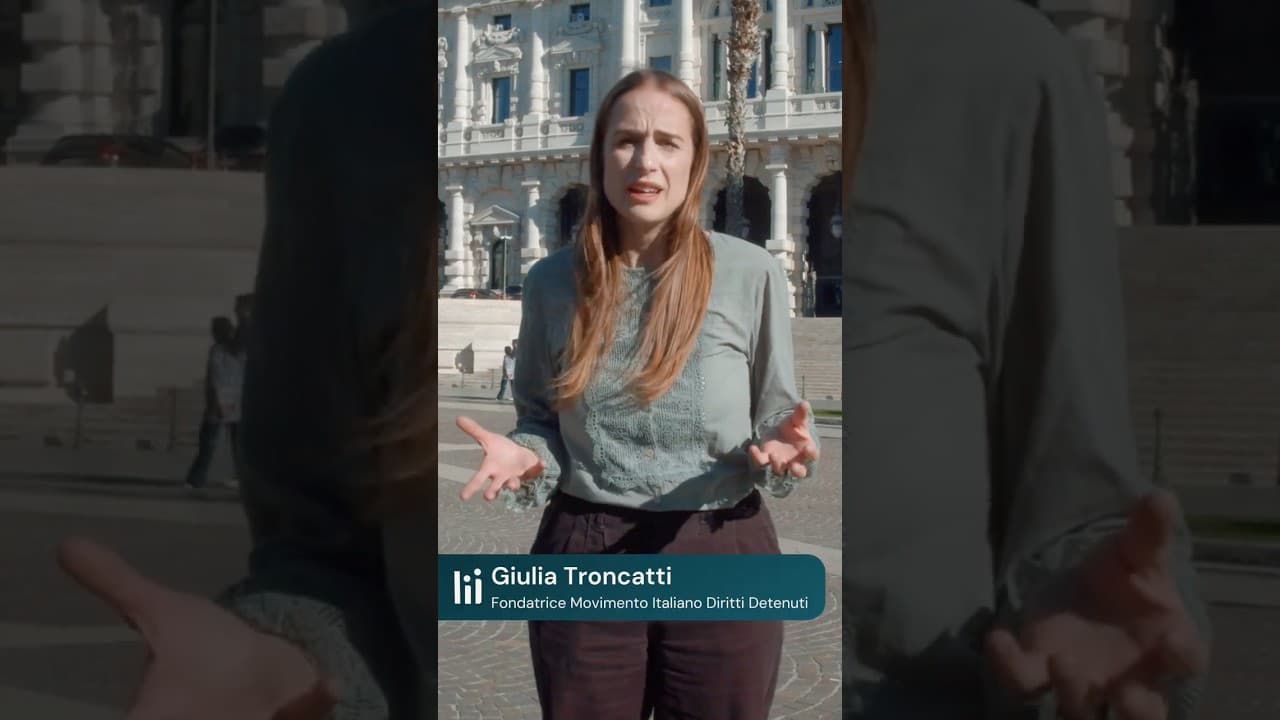
In one minute, Giulia Troncatti explains how prison works and where reality drifts away from the law.
Who is Giulia TroncattiReintegrating into society
Desistance from crime is a complex process, favoured by relationships, work and social recognition, more than by fear of punishment.
Why does a person who has committed crimes at a certain point stop doing so? Usually, the focus is on why someone commits a crime, much less often is it studied why at a certain point someone stops.
This second topic has a name: desistance. It is a line of research born in the early 2000s in the Anglo-Saxon world and still today little studied in Italy.
Studies on recidivism count how many and who return to committing crimes. Those on desistance observe who gets out and try to understand which conditions make it possible.
The results indicate that rarely is it the fear of punishment that makes the difference. More important are certain elements of daily life: a stable job that organises time and gives a role, a relationship, a child, a change in the way of perceiving oneself and one's own future.
Often it is not a single event, but a long process also made up of steps backwards. Another factor that emerges is recognition by others.
When a group of people is asked to describe who has committed the crime, the most frequent words are: dangerous, to be isolated, irredeemable. These are definitions that mark a distance between us and them.
For those who are trying to change, this distance has concrete and profound consequences. If they are identified only with the crime committed, it is more difficult to find a job, a house, relationships and without these elements the path out becomes more fragile and less effective.
For this reason, desistance does not depend only on the person, it also depends on the context in which they find themselves. Employers, landlords, services and community.
If the change of those who get out also depends on those who are outside, how willing are we to recognise it?
One topic at a time
Giulia Troncatti