






One topic at a time
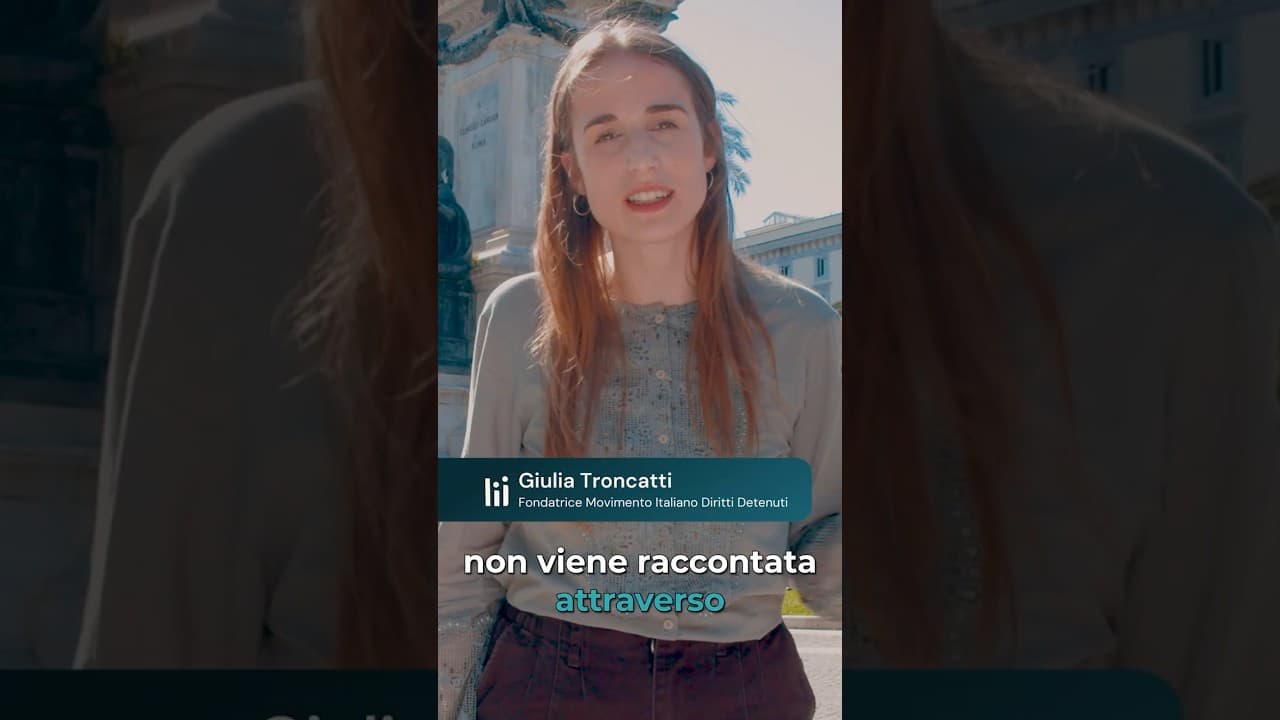
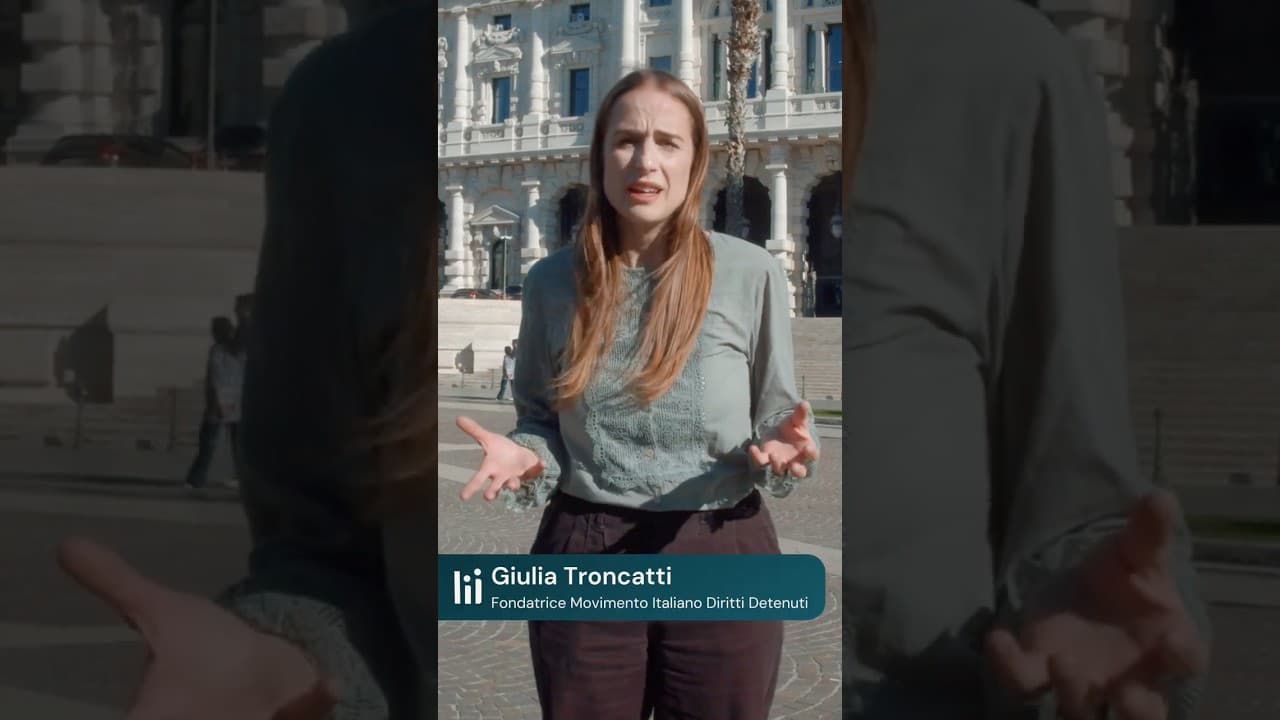
Giulia Troncatti
In one minute, Giulia Troncatti explains how prison works and where reality drifts away from the law.
Who is Giulia TroncattiAffective bonds
Zero Mail facilitates correspondence between prisoners and the outside, reducing times and costs, offering work and digital skills in prison.
Did you know that it is possible to write emails in prison?
Yesterday we dedicated a space within this profile to the writing of letters and we saw how correspondence is a very important tool for detained persons to maintain their relationships, but we saw that it is a somewhat weak tool from the point of view of timing and from the point of view of the economic requirement.
Today, as Movimento Italiano Diritti Detenuti, we want to present to you a tool that we are bringing into penal institutions to try to encourage contact with the outside and facilitate the maintenance of emotional bonds.
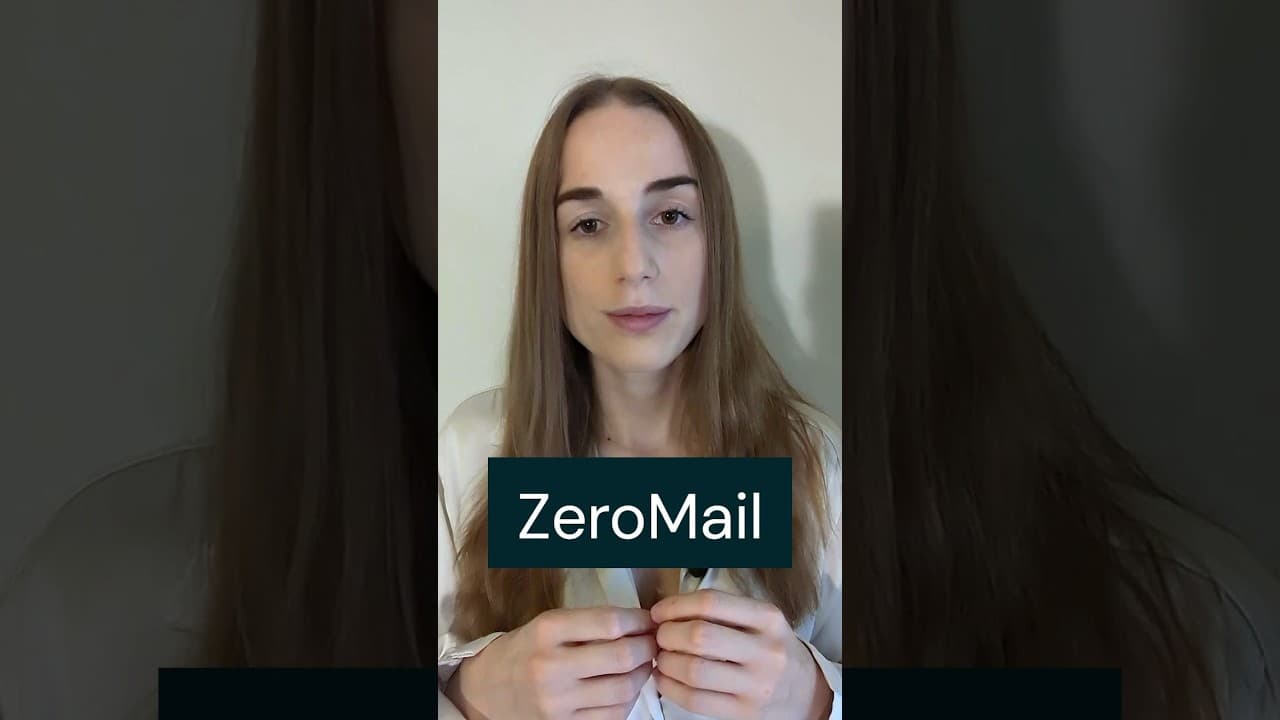
It is called Zero Mail. Zero Mail is an electronic mail service that is brought into penal institutions to make communications with the outside faster and less expensive. And when I speak of communications with the outside I obviously mean family members, but also school tutors, lawyers, volunteers.
How does Zero Mail work? One or two detained persons, depending on the size of the institution, are regularly employed and take care of collecting the sheets that are handwritten by detained persons, obviously in their own language, and scanning them and sending them outside and vice versa taking the responses that arrive from outside, printing them and delivering them back to the detained persons.
It is a service that we have already activated in 10 institutions and that has allowed us to employ 13 detained persons and to guarantee access to more agile correspondence to about 2500 users.
What are the strengths of this service? The strengths of Zero Mail are essentially three. The first is that they offer a work opportunity that is not only an employment contract, but is also the learning and development of technological skills that to this day within penal institutions are completely neglected.
The second is that the exchange of communications is decidedly easier. Generally, an exchange with the outside takes place between 24 and 48 hours.
The third is that it has a much lower cost compared to ordinary mail. The cost of an email is a fraction compared to that of a stamp for ordinary mail.
At the end of this presentation, what is a positive tool and that we present to you with pride, however, obliges us to reflect together. Is it right that today, in 2026, the digitalisation of correspondence is still in the hands of private individuals and not regulated by the State?
One topic at a time
Giulia Troncatti