






One topic at a time
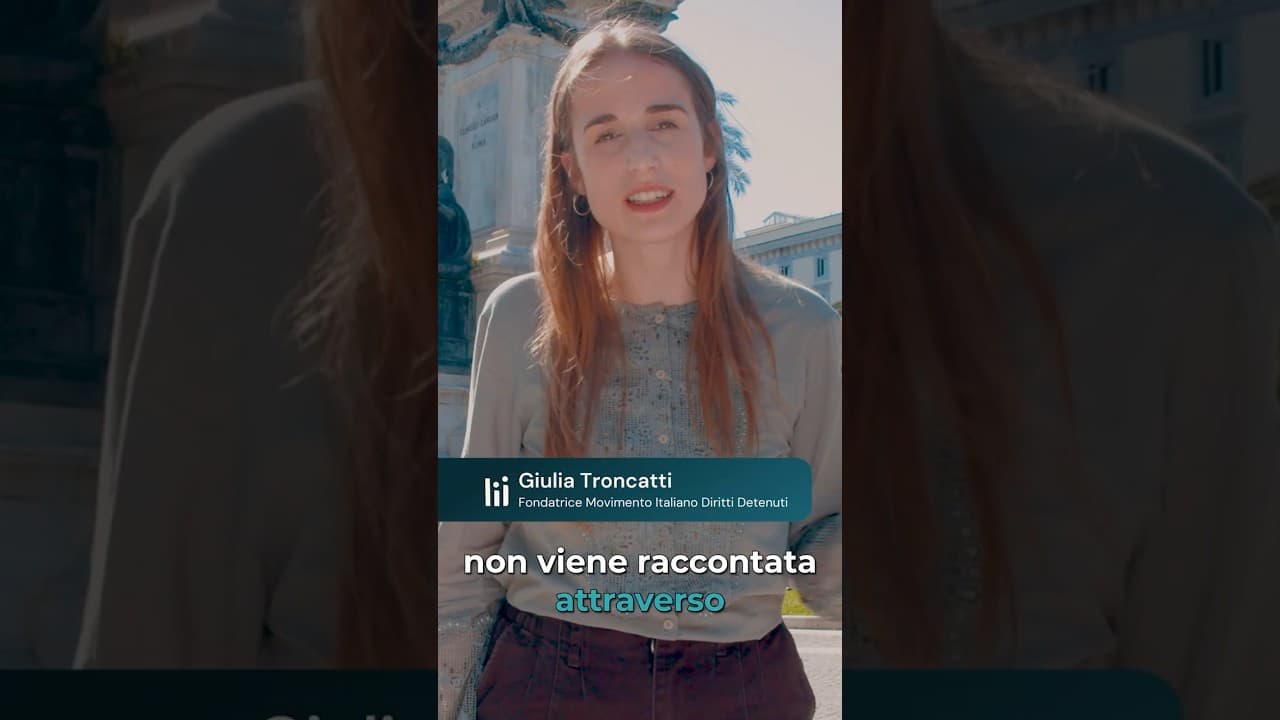
Giulia Troncatti
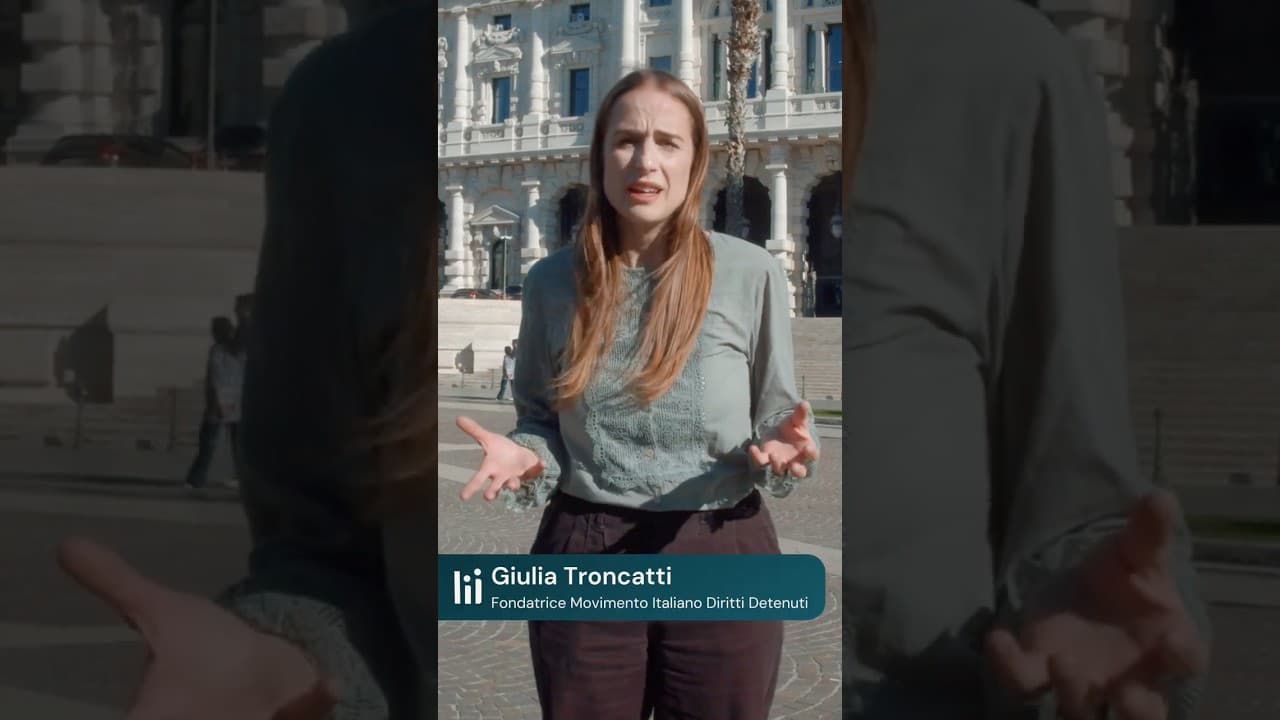
In one minute, Giulia Troncatti explains how prison works and where reality drifts away from the law.
Who is Giulia TroncattiAlternative measures
Prison predominantly hosts people coming from backgrounds of social hardship and fragile mental health, highlighting shortcomings in public services.
Have you ever wondered who ends up in prison?
Prison, unfortunately, is often the welfare of the forgotten. The numbers tell us about a prison in which the majority of people come from backgrounds of poverty, marginalisation, deviance, and precarious mental health.
Prison often arrives only when the other institutions of the State have failed, social services, health, school, and it represents a form of protection of the lowest kind.
But how can this problem be solved? We must start from the services of the State. Before demanding harsher sentences, perhaps we should start from the problem of poverty in our country.
One topic at a time
Giulia Troncatti