




One topic at a time
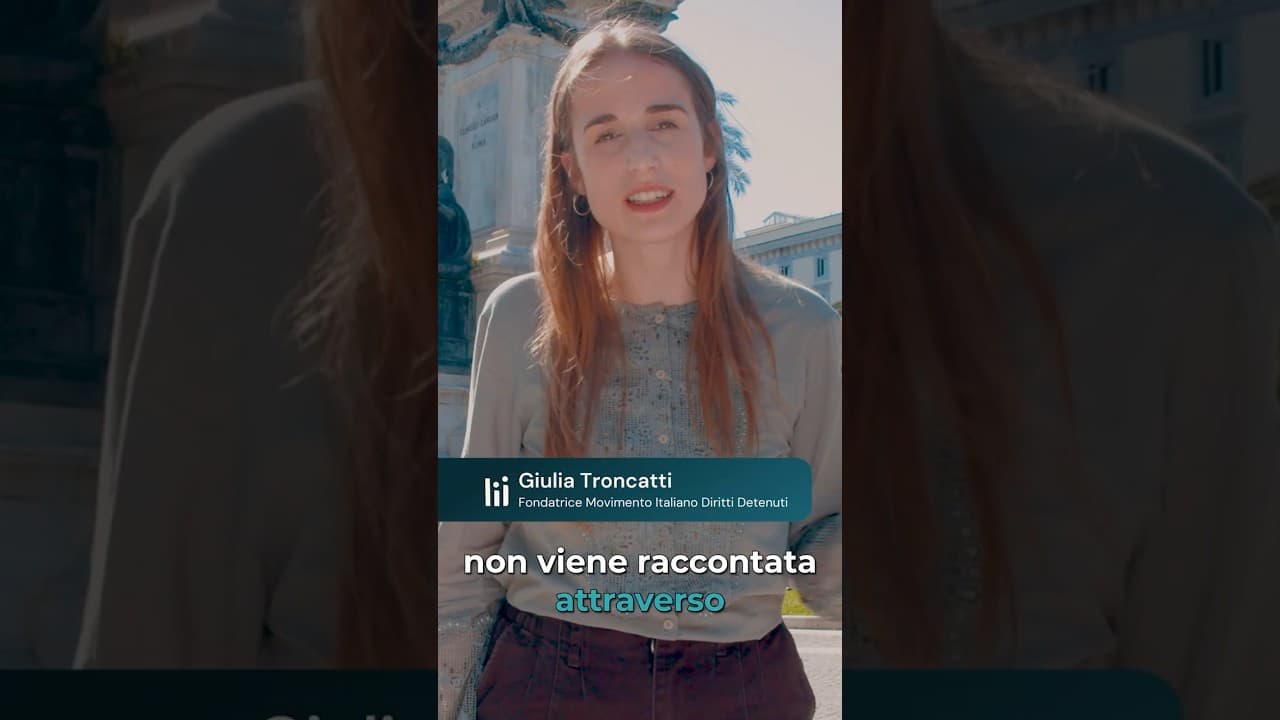
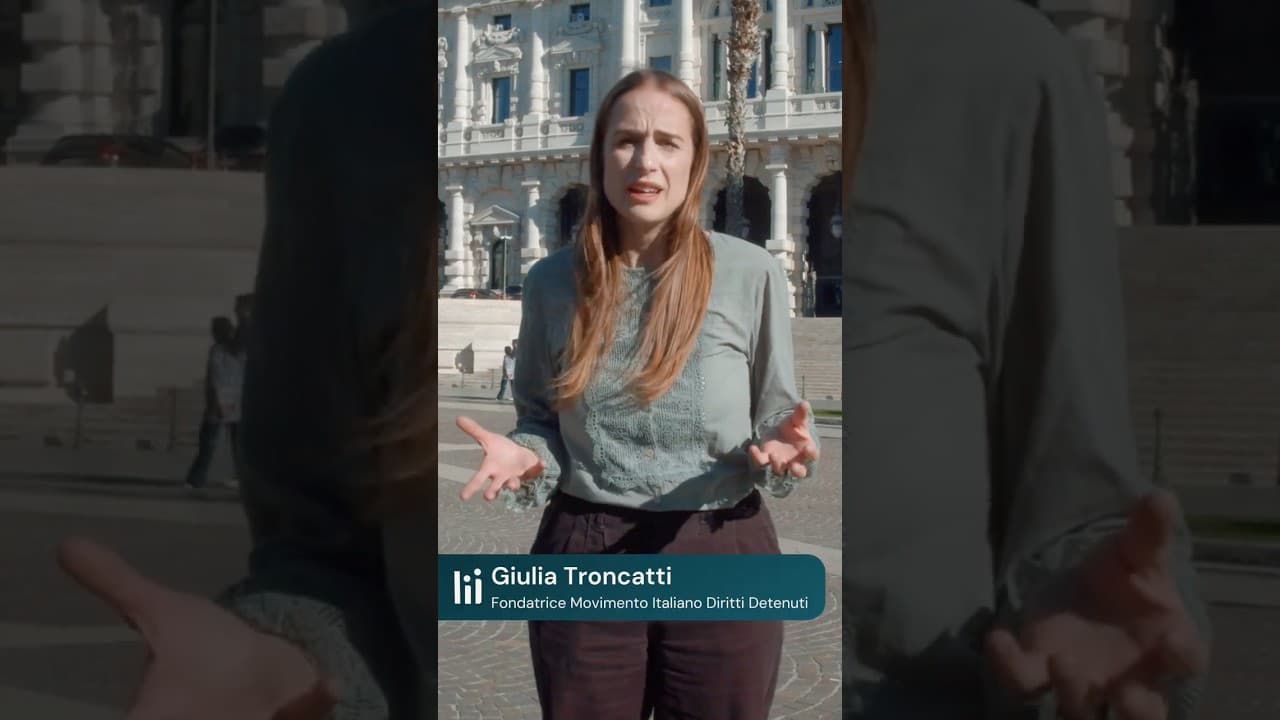
Giulia Troncatti
In one minute, Giulia Troncatti explains how prison works and where reality drifts away from the law.
Who is Giulia TroncattiAlternative measures
Elderly people in prison face architectural barriers, loneliness and informal assistance, with increasing difficulties in reintegration.
In Italy today there are about 66,171 people detained. The over-seventies are 2.1%, over 1,300 people, and if the view is broadened to the over 50s it reaches almost 30%.
But why these percentages? The law provides that those over 70 years old can serve their sentence under house arrest, but this possibility is excluded for the most serious offences and it is precisely these that lead to remaining in prison until old age.
In prison, people age earlier. Due to the conditions of prison life, a detained person of 50 years old can have the health conditions of someone who is at least 10 years older outside. For this reason, some research on the subject sets the threshold for an elderly detained person precisely around 50 years old.
But what does it concretely mean to be elderly in prison? It means living in structures full of architectural barriers, with chronic illnesses to treat and long waiting times for visits and examinations. Often it is the other detained people who take care of the elderly, first and foremost the cellmates. They help them tidy the room, wash, move around, and in turn bring them food.
An informal assistance, mostly without training and without real recognition, which fills a gap in the institution. And then there is loneliness. Over the years relationships are lost, family members age or die, visits become increasingly rare.
And for those who are released at an advanced age, starting again is even more difficult without work, often without a home or networks.
A prison designed for young men today must deal with bodies that are ageing and with a question that we also ask you. What is the point of a sentence when there is no longer a future to prepare for?
One topic at a time
Giulia Troncatti