Reintegrate into society
Day release, semi-liberty, probation: the path provided by law.
In Italy there is a deep divide between what the law provides and what happens behind bars.
Sentences must not consist of treatments contrary to the sense of humanity and must aim at the rehabilitation of the convicted person.
The paradox is that the State, in the act of punishing those who have broken the law, ends up violating its own fundamental law.
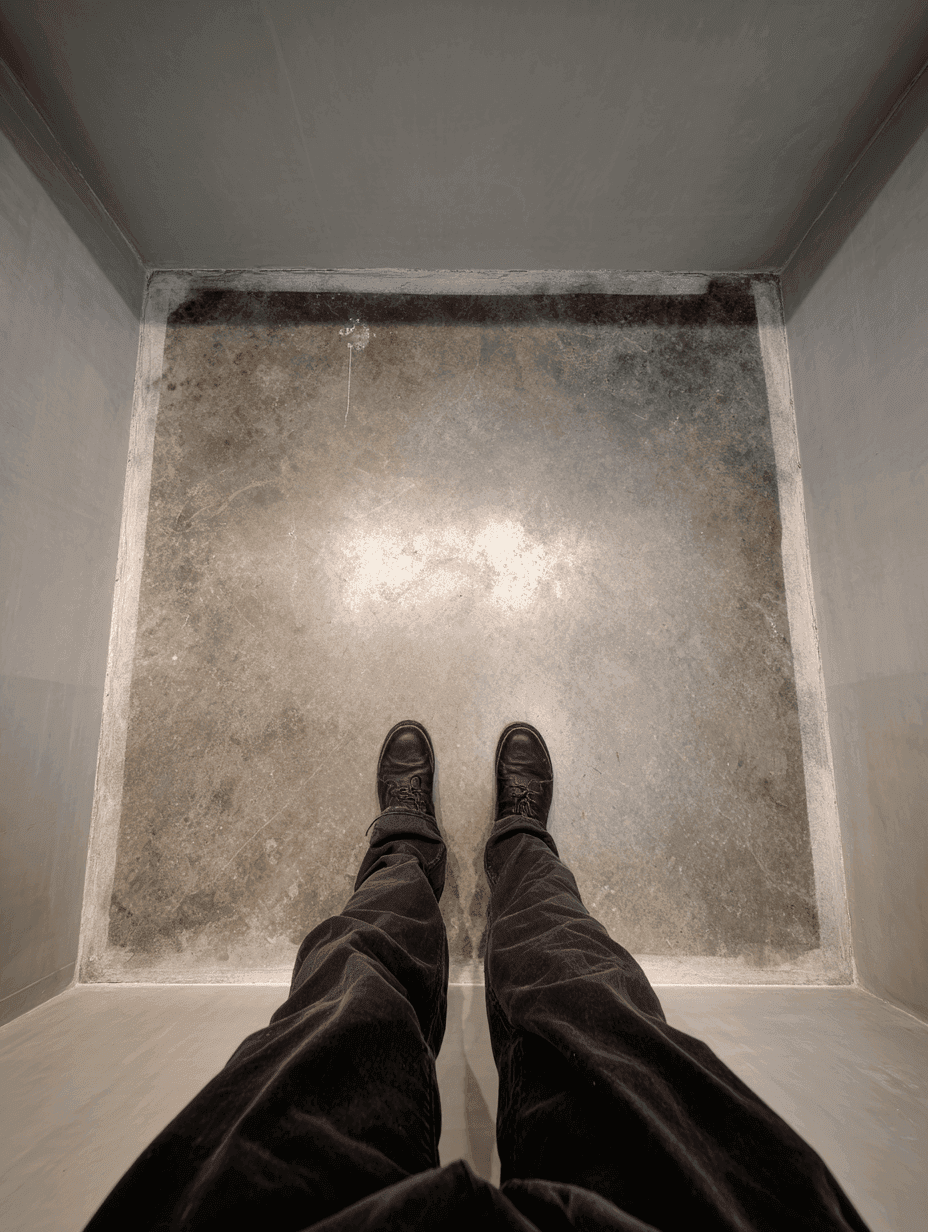
The "sense of humanity" fades when a man or woman is forced to live in cramped spaces, without sufficient light, in crumbling facilities and in poor sanitary conditions.
Detention ceases to be a tool for rehabilitation and becomes pure physical and psychological suffering, turning the sentence into an unlawful punishment.
138%
Overcrowding rate
3 sq m
Minimum space required by law
70%
Inmates without hot water in their cells
European case law has drawn a clear line between legitimate punishment and inhuman treatment: living space.
Every detainee must have at least 3 walkable square meters available in a shared cell.
In the calculation of the 3 square meters, furniture (such as wardrobes or bunk beds) must not be counted and, categorically, the bathroom area must be excluded.
If the space falls below this threshold, it constitutes degrading treatment: it is from this principle that the right to seek compensation arises.
For every 10 days in overcrowding conditions, you are entitled to 1 day off the sentence still to be served.
If the space falls below this threshold, it constitutes degrading treatment: it is from this principle that the right to seek compensation arises.
Day release, semi-liberty, probation: the path provided by law.
Reduce your sentence and accelerate all benefits: a mechanism worth knowing.
Staying in contact allows you to keep the bond with the outside world alive.