One topic at a time
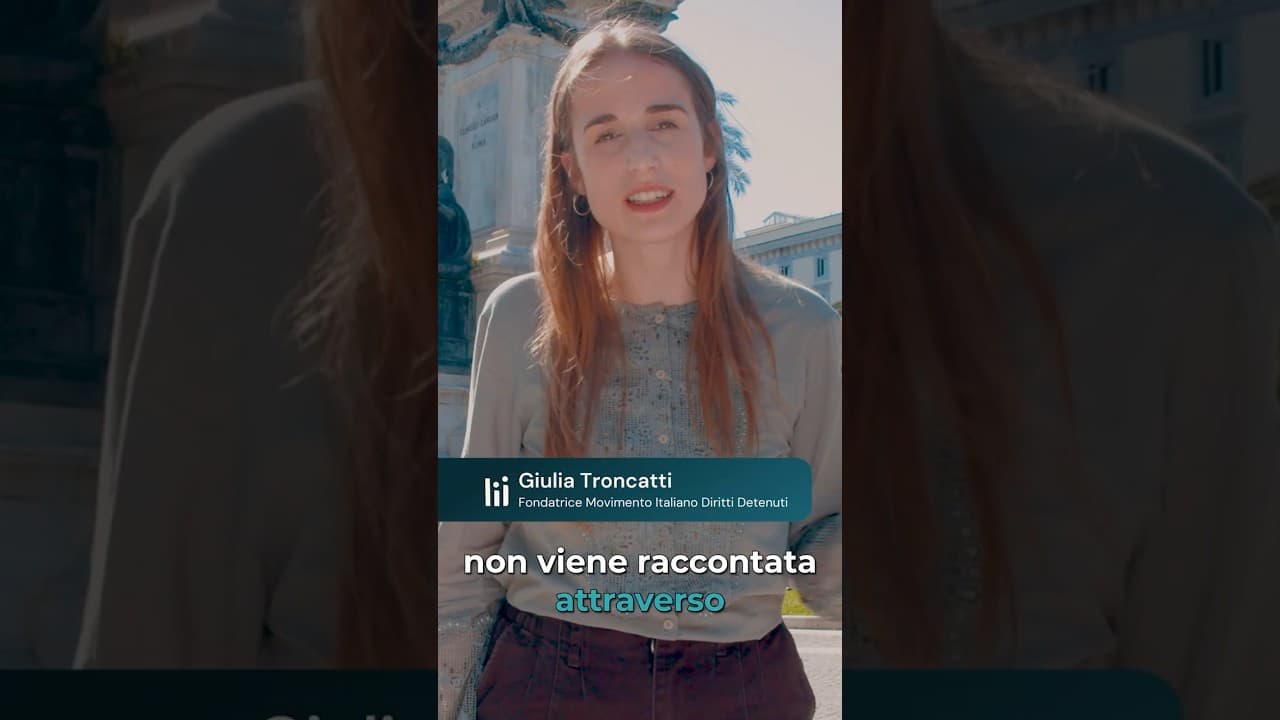
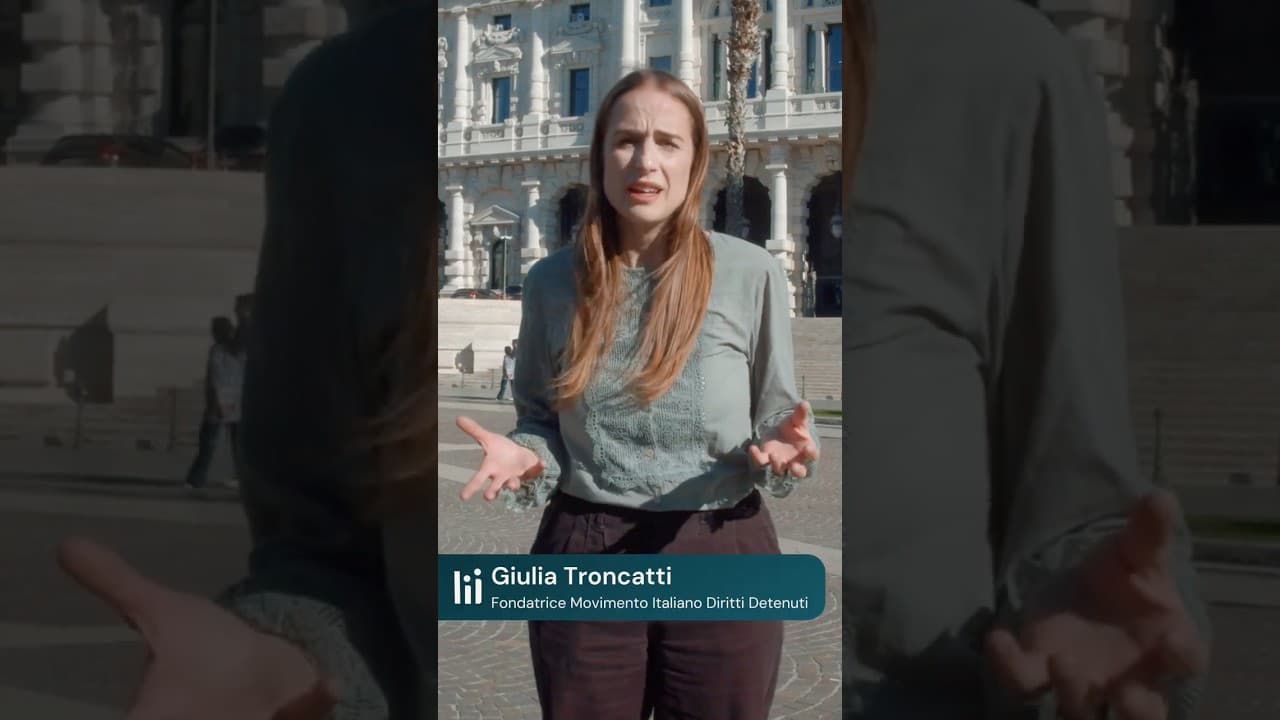
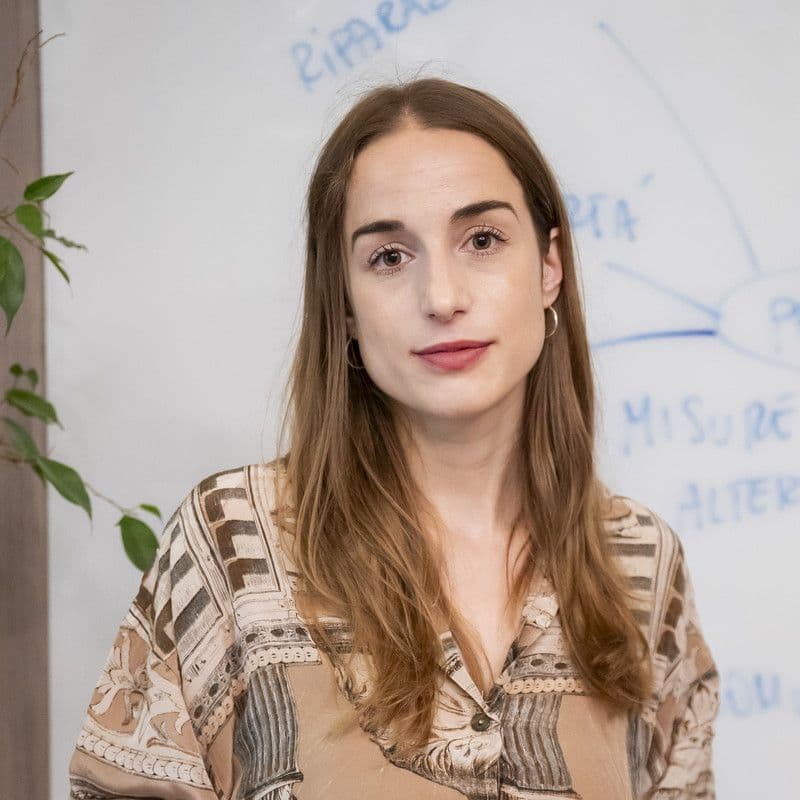
Giulia Troncatti
In one minute, Giulia Troncatti explains how prison works and where reality drifts away from the law.
Who is Giulia TroncattiCompensation for overcrowding
In prison, the worst conditions are experienced by those who are poor and alone, without resources or external help, worsening existing social inequalities.
But who is worse off in prison? Not always those who have committed the most serious offence, often those who entered the poorest.
To address this topic we want to start from a concrete case. During a visit with Nessuno toccino we observed that in some sections there was no washing machine. This means that the detained people wash their clothes by hand and hang them wherever they can, in the section or in the detention rooms.
Now winter is coming and there are sweatshirts, tracksuits, heavy trousers to wash and sometimes the water is cold, even though the prison regulations provide for showers with hot water.
Those who have a family nearby solve the problem in this way: they hand over dirty clothes at the visit and receive them clean the next time. Those who are alone, maybe foreign, maybe already homeless before entering, have to manage and sometimes do not even have the money to buy detergent.
Detergent is just one example. In prison almost everything beyond the minimum must be bought: food, coffee, hygiene products, phone calls. The National Guarantor has noted several times that the prices of products sold in the institutions are significantly higher than those on the market, even though the law says they should not be.
Thus the inequalities that exist outside, inside become wider. One might think that it is enough to work.
The problem is that at the end of 2025, 34% of detained people were working, about 21,700 out of 63,500. Two out of three people therefore do not work and those who do almost always work for the prison administration with a salary that Antigone has estimated at around €600 gross per month, from which a part is also withheld for maintenance expenses in prison.
There is then a final paradox. To serve the sentence outside with an alternative measure, you often need a house, a job, someone to take you in. Those who have none of this have less chance of getting out earlier. Prison does not create inequalities, but takes them to the extreme.
So we turn the question to you. If a person has no one outside, no money and cannot manage to work, how do they survive inside a prison? Write it to us in the comments.
One topic at a time
Giulia Troncatti