
Restorative justice
Glossary · Justice and society
Restorative justice
In brief
A voluntary path, different from the criminal trial, that brings into dialogue the person who committed a crime and the person who suffered it, with the mediation of an impartial third party.
Written by the team of the Italian Movement for Prisoners' Rights (Movimento Italiano Diritti Detenuti)Updated on
Description
Have you ever thought that justice need not necessarily mean punishment?
Restorative justice is a voluntary path, different from the criminal trial, that puts the person who committed a crime in contact with the person who suffered it (if both wish), with the mediation of an impartial and "equiproximate" third party.
It is a space for dialogue that aims to bring out the real consequences of the crime, which often stay in the background during the trial. In practice, it can mean a meeting between the parties, a written mediation, or community paths that also involve the place where the crime happened.
It was brought into Italian law by the Cartabia reform, which set up Restorative Justice Centres in every Court of Appeal.
It is a practice founded on the idea that conflicts are resolved through dialogue, that the person who offended can explain, that the person offended can ask, that together they can repair.
If a crime is a tear in the fabric of society, instead of separating, locking up and "throwing away the key", we can try to mend it.
Related entries
Sources (1)The rules and data this page is based on
- Legislative Decree 150/2022 (Cartabia reform)Introduces restorative justice into Italian lawNormattiva.it: Legislative Decree 150/2022 (Cartabia reform)
This page explains how the Italian prison system works; it does not replace a lawyer’s advice.
Talking about it
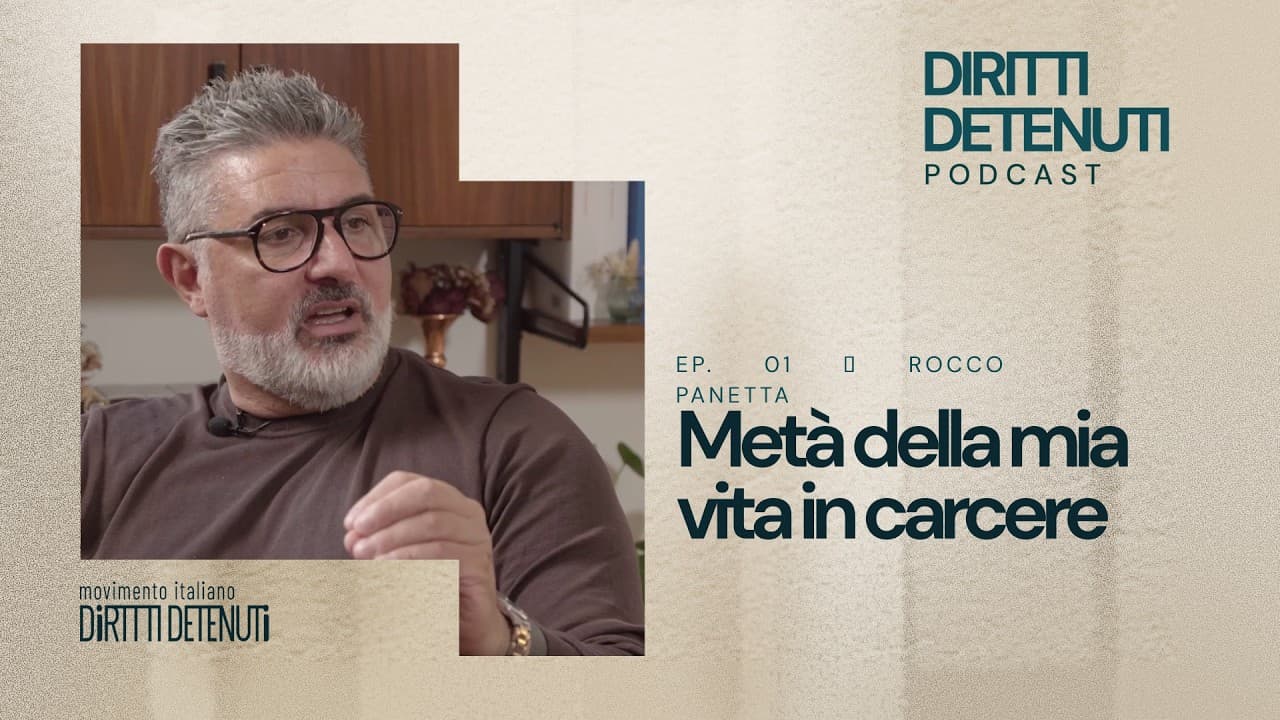
Half of my life in prison
Diritti Detenuti · Episode 01
- Compensation for overcrowding
- prison
- recidivism
- prisoners' rights
- penitentiary violence
- social reintegration
- education in prison
- depersonalisation

Another kind of justice is possible
Giulia Troncatti
- Reintegrating into society
- prison
- prisoners' rights
- recidivism
- reintegration
- association
- digital tools
- narration
Prison Voices
Listen, watch, read, understand. Four ways into prison without having been there.
Latest · Podcast
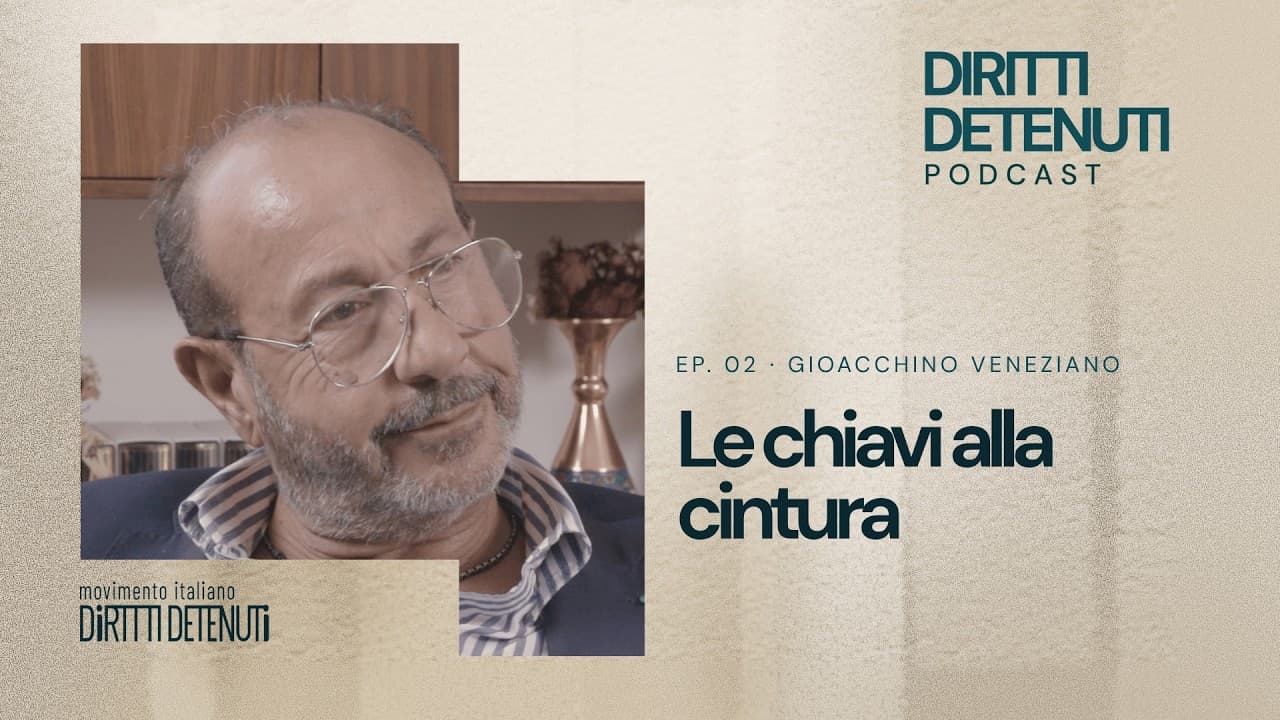
Isabella De Silvestro
All episodesIn this section
Podcast · 2 episodes
18 videos and a series
10 first-person stories