Reintegrating into Society

Navigating the time of a sentence

In prison, time is the first thing that is taken away: it becomes opaque, difficult to measure, often impossible to control.

In prison, time is the first thing that is taken away: it becomes opaque, difficult to measure, often impossible to control.

What the law says

The Prison System Act provides that, well before the end of a sentence, a person may access benefits and measures that mark concrete steps towards reintegration into outside life:

  • working outside
  • day release and licences
  • alternative measures
  • early release

What happens in reality

Despite the law, the numbers tell a different story. Rights that exist on paper, but remain inaccessible for the majority. In 2023:

  • only 27% of Italian inmates accessed alternative measures (DAP, Ministry of Justice)
  • only 4% worked outside under Article 21
  • reward leave was granted to less than 10% of the prison population
  • early release

Day Release and Licences in the prison system

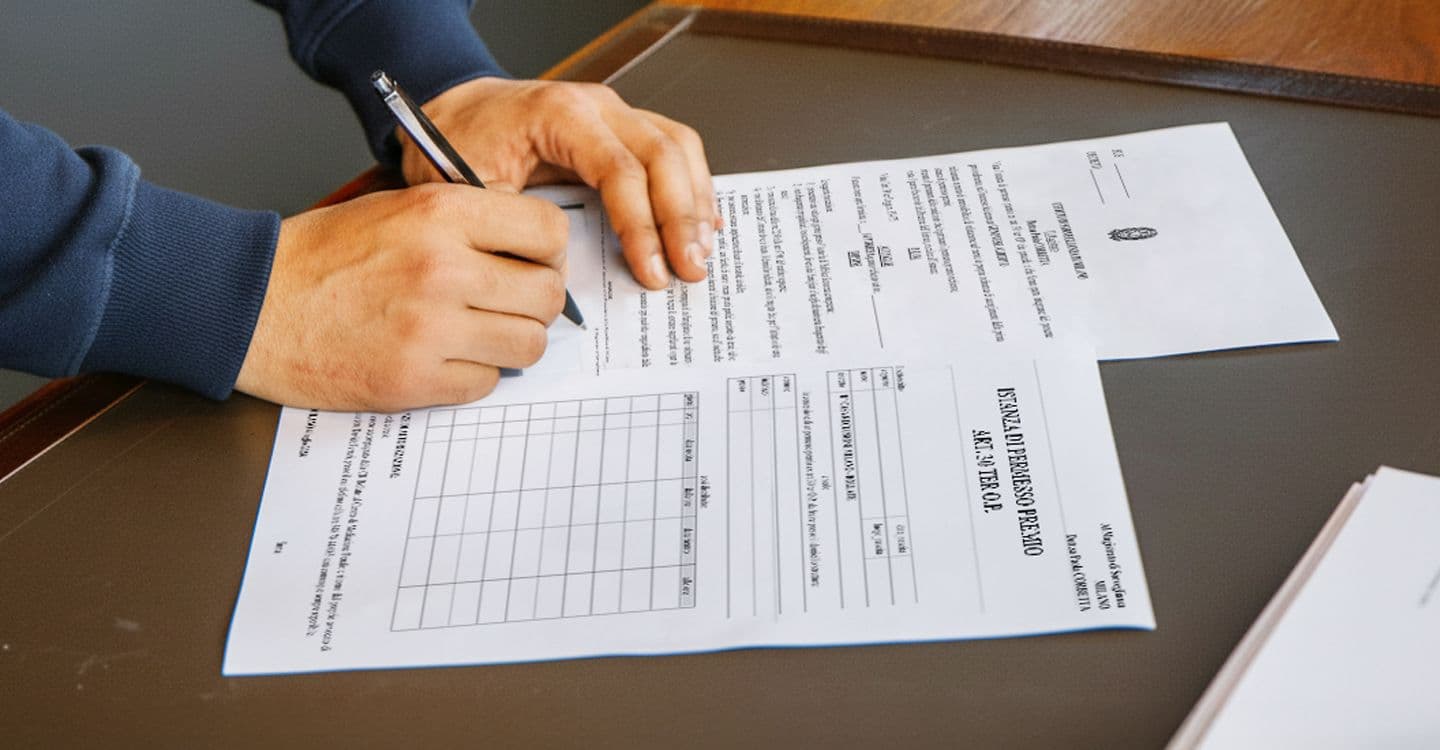
In the Italian prison system, the main tools that allow an inmate or internee to temporarily leave the facility are day release permits and licences.

Different measures in terms of purpose, recipients and legal requirements, they share the common objective of promoting social reintegration and the protection of family ties.

What day release permits are

They are incentives granted to those who demonstrate a positive path of accountability and participation in the prison treatment programme. They serve to:

  • cultivate affective bonds
  • maintain cultural interests
  • carry out work activities

They promote gradual reintegration into society and strengthen family ties, fundamental elements for reducing the risk of reoffending

What licences are

Licences apply to internees and those on semi-liberty. They allow temporary exits from the facility in the presence of serious personal or family reasons, similarly to what is provided for with necessity permits. They are a tool for humanising punishment and protecting the fundamental rights of the person, especially in emergency situations.

Procedure

Application

Submitted to the Supervisory Magistrate

Investigation

The Magistrate requests the summary report from the prison's psycho-pedagogical team and information from public security authorities

Order

Communicated to the inmate and the Public Prosecutor

Complaint

In the event of rejection, it is possible to file a complaint with the Supervisory Court within 24 hours of notification of the order. The Court decides in chambers within 10 days.

Do you want to know when you will be able to access the benefits provided by law?

Try the calculator now

Further information

Day release permits

Legal basis - Art. 30-ter O.P.

Art. 30-ter of Law 26 July 1975, no. 354 establishes that the Supervisory Magistrate may grant day release to convicted persons who:

  • have maintained regular conduct
  • are not considered socially dangerous

Duration of permits

15 daysper individual permit
45 daysmaximum limit requestable in one year

High-security offences — art. 4-bis O.P.

For high-security offences, access is more stringent and subject to more rigorous checks on the rehabilitation path.

The granting also depends on:

  • the time of sentence already served
  • the type of offence

Following the rulings of the Constitutional Court and the 2022 reform, even those convicted of high-security offences who do not collaborate with justice may apply for day release, provided they demonstrate the absence of current links with organised crime.

Licences

Legal basis - Art. 53 O.P.

Licences apply to:

  • internees
  • those on semi-liberty

Extraordinary licences

Art. 53, paragraph 2 O.P. provides for extraordinary licences for:

  • serious health reasons
  • imminent risk to the life of family members or cohabitants

Necessity permits

May be granted in the event of:

  • imminent risk to the life of a family member
  • family events of particular gravity (e.g. birth of a child, death of a relative)